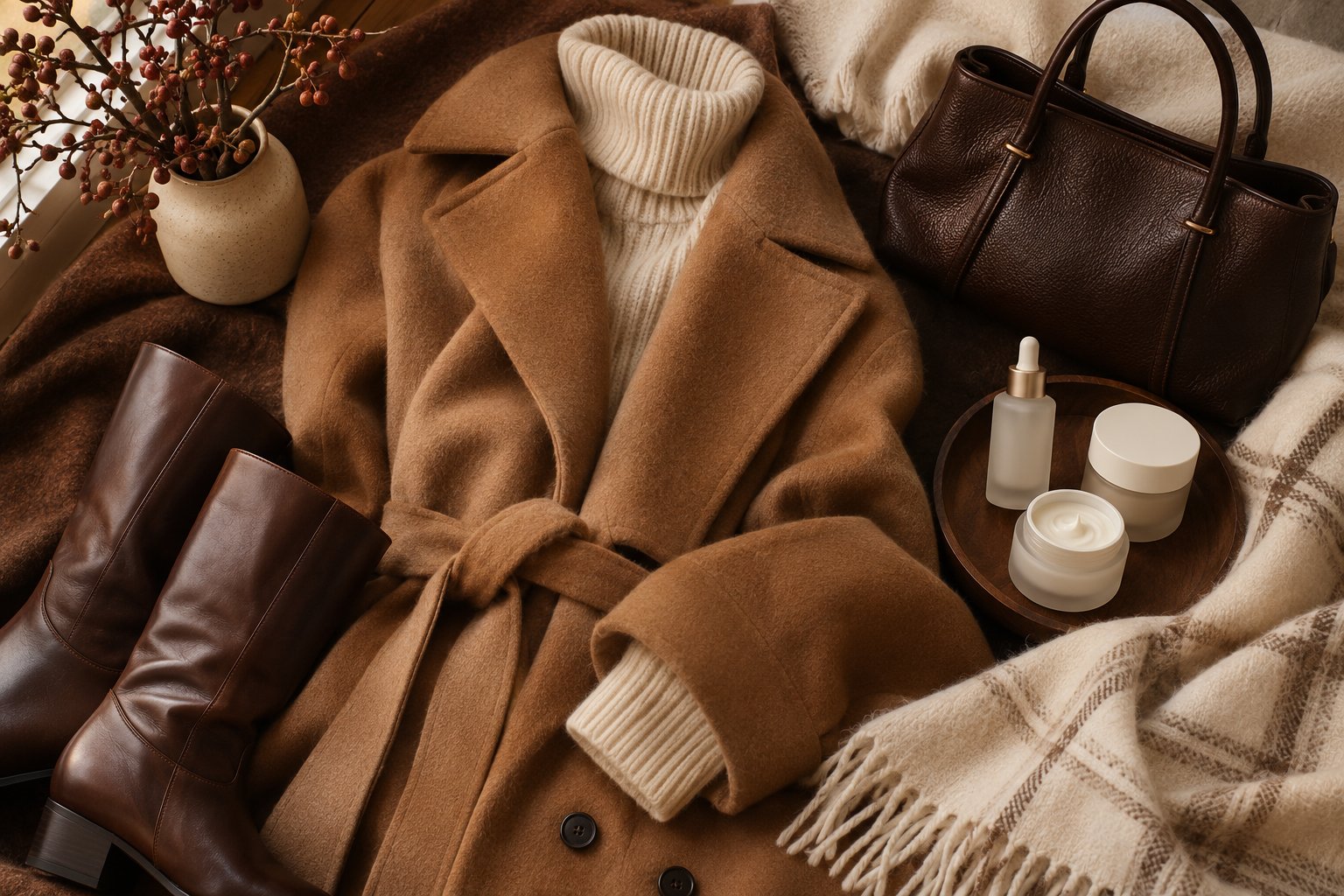
Black Friday falls on November 27, 2026. Start with things you already planned to replace or buy, then compare the same item across retailers. This guide covers five categories to check. Prices and promotions vary by retailer.
1. Winter Coats and Timeless Knitwear
A well-fitting coat or dependable sweater can earn its place in your wardrobe for years. If you have been planning to replace an old winter layer, seasonal promotions may be worth comparing.
What to look for: fabric composition, lining, stitching, easy-care instructions, and a silhouette you genuinely enjoy wearing. Wool blends, sturdy cardigans, and classic crewneck sweaters can be versatile choices, but quality varies widely by item.
Style tip: Before buying, picture at least three outfits you could make with the piece. Neutral shades can be easy to coordinate, but a color you love and regularly wear can be just as practical.
2. Boots and Everyday Shoes
Footwear is a smart category to prioritize when you need a replacement—not simply because a trendy pair is marked down. Comfort, fit, traction, and suitability for your climate matter more than the discount percentage.
What to look for: supportive construction, return policies, weather resistance when needed, and reviews that discuss long-term wear. Check sizing carefully, especially when shopping online.
Style tip: Choose the pair that works with your actual weekly routine, whether that means walking to work, navigating snow, or dressing up for dinner.
3. Beauty Products You Already Use
Black Friday can be a useful opportunity to restock your everyday cleanser, moisturizer, sunscreen, or makeup favorites—provided the price is genuinely better than usual.
What to look for: the exact product size, price per milliliter or ounce, expiration or period-after-opening guidance, and whether the retailer is authorized to sell the brand.
Beauty tip: A discounted gift set is not a bargain if half the products sit unopened. Prioritize reliable staples you routinely finish, and avoid stockpiling more than you can use while the products remain suitable.
4. Classic Bags and Accessories
A practical everyday bag, a versatile scarf, or simple jewelry can refresh existing outfits without requiring an entirely new wardrobe. Accessories are especially useful when they complement clothes you already own.
What to look for: durable closures, comfortable straps, useful compartments, and finishes that match your personal style. For jewelry, pay attention to material descriptions and care requirements.
Style tip: Ask whether the accessory solves a real wardrobe gap or merely looks exciting in a promotional photo.
5. Cozy Home Essentials
Sometimes the most satisfying seasonal upgrade is something that makes home more comfortable. Think bedding, towels, throws, and practical everyday comforts.
What to look for: measurements, fiber content, washability, and how an item will work in your existing space. A soft throw or better-quality towel can make a difference without requiring a major room makeover.
Home tip: Choose one area to improve rather than filling your cart with unrelated décor. A focused refresh often feels more intentional.
The Chic Symphony Three-Question Shopping Rule
Before clicking “Add to Cart,” ask yourself:
- Did I want or need this before I saw the sale?
- Does the total cost—including tax and shipping—fit my budget?
- Would I still feel good about owning it without the discount?
If the answer is yes to all three, the purchase may be worth considering. If not, give yourself permission to skip it. There will always be another promotion.
How to Tell Whether a Black Friday Deal Is Really Good
- Check the item’s typical selling price rather than trusting the percentage-off label.
- Compare the same model, size, and specifications across retailers.
- Read return and exchange terms, including any final-sale exclusions.
- Set a spending limit before browsing and leave room for taxes and delivery.
- Avoid countdown pressure: take time to decide whether you will actually use the item.
A Simple Black Friday Wishlist Strategy
Make three short lists: “Need to replace,” “Would improve daily life,” and “Nice but optional.” Set a maximum price beside each item. Shop the first list before considering anything else. This turns the sale into an opportunity to buy thoughtfully rather than a reason to buy more.